
There’s a moment every serious outdoorsman knows — that sharp, pre-dawn chill settling into your shoulders the instant you step out of the truck, the kind of cold that makes you quietly question every life decision that led you to a marsh at 5 a.m. But then your insulated vest kicks in: that perfectly calibrated envelope of warmth pressing against your core, freeing your arms and shoulders for the shot, the paddle stroke, or the hiking pole grip. Suddenly, everything makes absolute sense again. This is the specific, irreplaceable magic of a well-built vest — and no brand on the market has engineered that magic more deliberately, more durably, or with more field-tested authenticity than RedHead. Whether you’re deep in the timber chasing whitetail, slogging through a cattail slough on a grey November morning, or just layering up for a cold weekend on the water, the right RedHead insulated vest doesn’t just keep you warm — it keeps you in the field longer, moving more freely, and performing at a higher level than anything that doesn’t truly understand the difference between warmth and bulk.
Top 5 Most Popular RedHead Men’s Insulated Vests
Before we dive deep into the technical framework and field performance breakdown that makes this lineup tick, here are the five most popular RedHead men’s insulated vests currently turning heads and keeping hunters warm across North America.
1. RedHead Pro Series Insulated Canvas Vest for Men
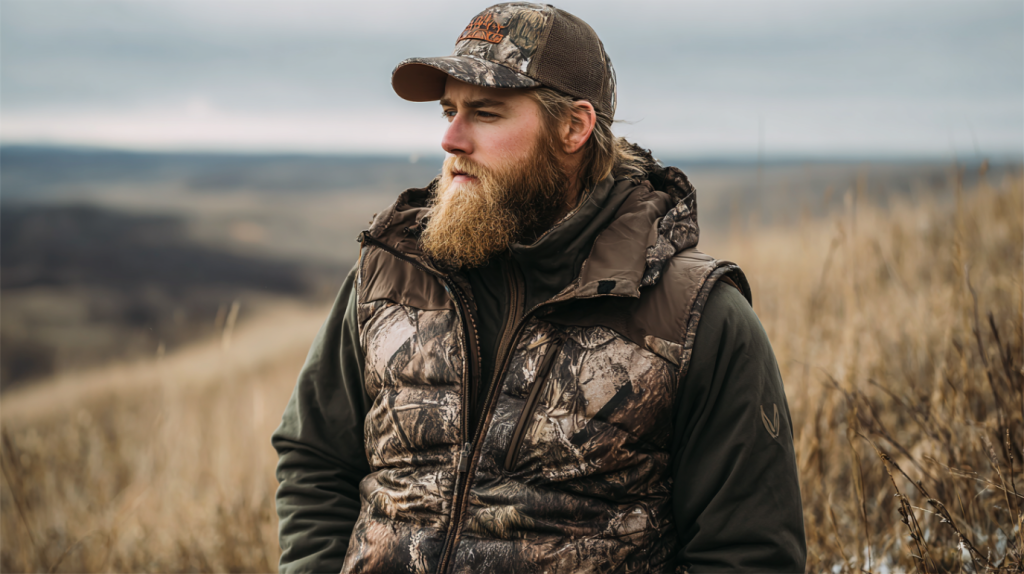
The crown jewel of the RedHead vest lineup, the Pro Series Insulated Canvas Vest is purpose-built for the serious upland hunter, waterfowl enthusiast, or all-conditions outdoorsman who demands more from their layering system. Constructed from a rugged, wind-resistant canvas shell, this vest combines heavy-duty exterior protection with a generous fill of synthetic insulation that locks in core warmth without restricting draw or swing. Multiple front pockets — including a massive, shell-accommodating game bag — make this vest as functionally loaded as it is thermally capable. Reinforced stitching at every stress point ensures it will outlast not just one season, but entire decades of hard field use.
⭐ Rating: 4.7 / 5
💲 Price Range: $89.99 – $109.99
2. RedHead Ranch Insulated Quilted Vest for Men
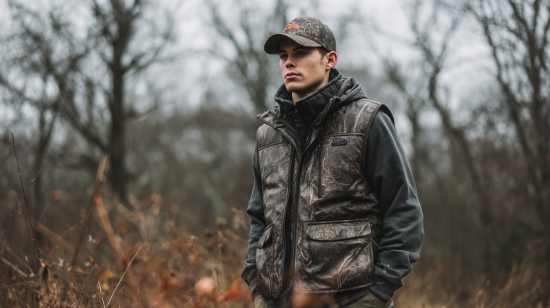
Equally at home around the campfire or layered under a softshell for a cold morning deer stand, the Ranch Insulated Quilted Vest is RedHead’s most versatile everyday performer. Its quilted exterior construction delivers a clean, refined aesthetic that crosses comfortably from the hunting camp to the feed store to a Saturday morning in town — without sacrificing a single degree of thermal efficiency. Lightweight synthetic insulation fills each quilted channel, delivering consistent warmth-to-weight performance even in damp conditions where down would fail completely. Zippered hand pockets, a full-length center zipper, and a comfortable midlength hem round out a vest that simply refuses to stay home.
⭐ Rating: 4.6 / 5
💲 Price Range: $69.99 – $89.99
3. RedHead Silent-Stalk Insulated Fleece Vest for Men
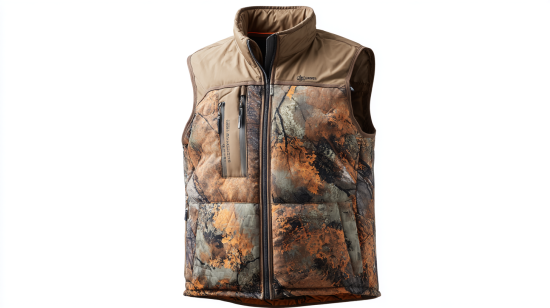
When noise discipline is everything — and it is everything every time you’re within bow range of a mature buck — the Silent-Stalk Insulated Fleece Vest becomes your single most important piece of kit. RedHead’s proprietary micro-fleece face fabric is engineered to move in near-total silence, eliminating the brush-scrape crinkle that sends deer bounding off into the timber before you ever draw. Inside, a midweight insulation package maintains core temperature through cold morning sits without causing sweat-induced chill on the move. Articulated armhole seams keep movement fully unrestricted, and a streamlined fit prevents snagging in thick cover.
⭐ Rating: 4.5 / 5
💲 Price Range: $74.99 – $94.99
4. RedHead Upland Canvas Insulated Vest for Men
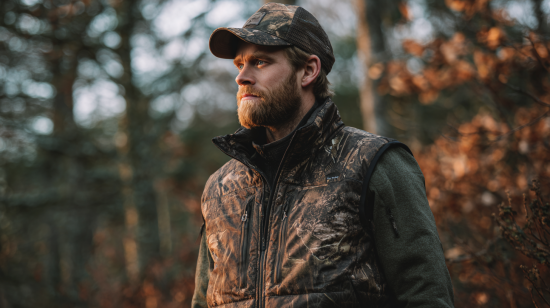
Tailored specifically for the upland hunter who burns serious miles chasing pheasant, grouse, or quail across variable terrain, the Upland Canvas Insulated Vest strikes an expert balance between thermal retention and active breathability. A brushed canvas exterior sheds briars and light precipitation while allowing core heat to regulate naturally during high-output pursuits. The signature rear game bag is reinforced with a waterproof liner to keep harvested birds clean and your vest fresh, while front shell loops and secure chest pockets handle the business side of a full day’s hunt. This is a vest that was built for people who are still going strong when everyone else has already turned back toward the truck.
⭐ Rating: 4.4 / 5
💲 Price Range: $79.99 – $99.99
5. RedHead Bone-Dry Insulated Quilted Vest for Men
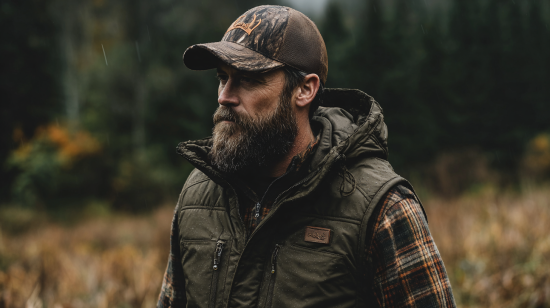
Waterfowl hunters and anyone who regularly contends with rain, sleet, or wet snow will immediately understand the Bone-Dry Insulated Quilted Vest. RedHead’s exclusive Bone-Dry waterproof technology bonds a breathable membrane directly to the shell fabric, creating a full moisture barrier that keeps the insulation lofted and thermally effective regardless of what the sky throws at you. Sealed seams and a water-resistant zipper complete the system, while interior insulation maintains consistent warmth across a wide temperature range. If you operate in wet field conditions regularly, this vest isn’t an optional upgrade — it’s essential equipment.
⭐ Rating: 4.3 / 5
💲 Price Range: $64.99 – $84.99
Now with those five flagship models properly catalogued and framed, let’s dig into what actually sets RedHead’s insulated vest platform apart from the considerable noise in this category — because the differences are genuinely, technically significant, and they matter in ways you’ll feel on the coldest mornings of the season.
The RedHead Philosophy: Engineering Warmth Without Compromise
RedHead has always operated from a specific, non-negotiable set of convictions about what outdoor clothing should do. At the absolute top of that list: warmth should never come at the cost of mobility. This sounds obvious — of course every hunter wants both — but the engineering reality of achieving both simultaneously is far more complex than any marketing copy suggests.
The core tension in insulated vest design is a triangle of competing demands: thermal retention, weight, and freedom of movement. Add bulk to trap more heat, and you compromise mobility and packability. Strip weight out, and you sacrifice the warmth that makes the vest worth wearing in the first place. Add articulation panels to improve range of motion, and you introduce seams that become thermal bridges — weak points where heat bleeds out. RedHead’s design team has spent years — genuinely, across dozens of product generations and countless hours of real-world field testing — solving this triangle across different use-case contexts. The result is a vest lineup that doesn’t ask you to sacrifice one attribute for another but engineers solutions specific to the way each model gets used.
The Pro Series Insulated Canvas Vest, for example, resolves the tension fundamentally differently from the Ranch Insulated Quilted Vest, because the use cases are genuinely different. Pro Series users are in the field: moving, shooting, loading shells, kneeling in blinds, and crawling through cattails. Every design decision in that vest — the placement of insulation panels, the canvas shell weight, the articulated armhole geometry — is optimized for active, high-motion field use in tough, abrasive conditions. The Ranch vest, by contrast, is engineered for a user who needs warmth across a wider range of activities, from a cold morning stand to an afternoon spent working outdoors. Both are expert thermal performers. They just solve the same problem from different directions, with different tools, for different people.
Insulation Technology: What’s Actually Inside Your RedHead Vest
Not all insulation is created equal, and understanding what is inside your vest — and why — is fundamental to making the right choice for your specific conditions and use case.
RedHead’s insulated vest lineup relies primarily on high-loft synthetic insulation, and that choice is both deliberate and technically defensible. Here is the reason it matters: synthetic insulation maintains its loft — and therefore its thermal effectiveness — when wet. Down insulation, which is more thermally efficient by weight in perfectly dry conditions, collapses catastrophically when saturated with moisture and requires hours to recover meaningful loft. For a hunter operating in pre-dawn fog, light rain, wet snow, or the simple humidity of a river-bottom marsh — which describes most serious hunting conditions across North America from October through January — synthetic fill isn’t a compromise. It is the technically correct choice.
The specific synthetic fill used across RedHead’s Pro Series and Ranch vests is engineered to mimic the multi-directional loft structure of premium down, trapping dead air in three dimensions rather than just horizontally. This three-dimensional thermal architecture is precisely what distinguishes premium synthetic fill from cheap batting — and it is what you are investing in when you choose a quality RedHead vest over a bargain-shelf alternative.
Across the lineup, insulation weight is deliberately varied by application. The Silent-Stalk Fleece Vest uses a midweight fill optimized for active use, where over-insulation would cause sweating and dangerous post-exertion chill during a cold sit. The Bone-Dry Quilted Vest uses a heavier fill weight, because waterproof membrane shells reduce breathability and a wet-condition vest must compensate thermally to remain effective. The Ranch Quilted Vest occupies a medium fill weight that performs genuinely well across a broad range of conditions and activity levels. These are not incidental design decisions. They are the direct product of rigorous real-world field testing and considered, experienced engineering judgment.
Shell Fabrics: A Technical Deep Dive on Canvas, Quilted, and Fleece Constructions
The outer shell of your insulated vest does far more than simply contain the fill. It is the first line of defense against wind, precipitation, and abrasion — and the material choice fundamentally shapes the entire performance profile of the garment.
Canvas shells, used in the Pro Series and Upland vests, are woven from tightly packed cotton or cotton-blend fibers that create a naturally wind-resistant surface with outstanding abrasion resistance. You can crawl through briar thickets, drag your vest through fence wire, and spend a full day in thick brush without tearing out the shell fabric. A properly treated canvas shell also develops meaningful water-repellent characteristics through a DWR coating, though it is not fully waterproof without a separate membrane backing. For active, abrasion-intensive field use across genuine hunting terrain, canvas remains one of the most pragmatic and time-proven shell materials available — and it’s a primary reason the Pro Series vest has developed the loyal following it has earned over years of hard use.
Quilted shells, used in the Ranch and Bone-Dry vests, are typically polyester or nylon weaves stitched in a diamond or channel pattern. This construction simultaneously secures the insulation fill in consistent position — preventing cold spots from forming as fill migrates — and creates the distinctive aesthetic character that makes these vests versatile beyond the field. Quilted shells are lighter than canvas, significantly more packable, and visually appropriate in settings where a heavy canvas hunting vest would look out of place. The Bone-Dry version adds a waterproof-breathable membrane laminated beneath the quilt face — a construction that is more technically complex and more expensive to produce, but essential for genuine wet-condition performance.
Micro-fleece shells, used in the Silent-Stalk vest, sacrifice a measure of wind resistance in exchange for near-total acoustic silence and outstanding comfort against any underlayer. The trade-off is intentional and perfectly appropriate for close-contact archery hunting situations where noise discipline is non-negotiable and wind conditions are managed through stand placement rather than fabric selection.
Fit and Sizing: Getting Your Layering System Right
A vest is fundamentally a layering component, and it must fit correctly over your base and mid layers while maintaining full mobility for shooting, paddling, or climbing. RedHead designs their insulated vests with a functional, anatomical hunting fit that accommodates midlayer insulation underneath without becoming a shapeless, restrictive shell.
For most users, sizing up one from your base shirt size when wearing a vest over a heavyweight fleece or insulated mid layer is the correct approach. RedHead’s vest patterns incorporate extended length in the back hem to prevent cold drafting when bending or reaching forward, articulated armhole cuts for full overhead range of motion, and elastic or stretch-panel side construction on several models to accommodate the torso rotation required for a clean, committed shot swing.
Sizing typically runs from Small through 3XL across the core lineup, with tall sizing available on select models for long-torso users who have historically struggled with traditional vest hems that ride up out of waistbands in the worst possible moments.
Pocket Systems: The Organizational Architecture of a Field Vest
The pocket system of a working RedHead insulated vest is engineered with the same seriousness as its thermal architecture, because a vest you’re actually hunting in needs to carry real gear — shells, calls, a rangefinder, a headlamp, gloves, a knife — without disrupting your center of gravity or slowing access under field pressure.
The Pro Series and Upland vests feature front chest pockets, shell loop strips, insulated hand warmer pockets positioned for quick warm-and-retrieve access, and the signature reinforced rear game bag with a zip-in waterproof liner. That game bag is a genuine, field-proven hunter’s feature — sized adequately for multiple birds, positioned to balance weight distribution against the front chest pocket load, and constructed durably enough to deliver a decade of season use.
The Ranch Quilted Vest prioritizes a cleaner, more streamlined pocket layout — deep zippered hand pockets and a secure chest pocket — offering fewer total pockets but better organization for the versatile everyday user who doesn’t need a shell loop system on their morning drive.
The Bone-Dry vest adds waterproof-sealed pocket openings to prevent moisture intrusion through the zipper slots when sitting in rain. That detail sounds small until the moment you reach for your rangefinder in a downpour and find it bone dry — and then it sounds exactly like the detail it is.
Why RedHead’s Insulated Vests Earn Their Place in Your Kit
The outdoor clothing market is not short of insulated vests. There are options at every price point from every brand with a logo and a catalog, and a significant percentage of them are perfectly adequate at staying warm in controlled conditions. What makes RedHead’s insulated vest lineup specifically worth your attention — worth your actual investment — is something genuinely rare in this market: honest, specific engineering for the way hunters and serious outdoorsmen actually use their gear in the real world, in real conditions, under real pressure.
RedHead doesn’t design vests for photo shoots on sunny Colorado ridgelines with a perfectly groomed model and diffused afternoon light. They design them for the third morning of a five-day elk hunt when you have sweated through every base layer and the temperature is dropping and you need your vest to perform exactly as it did on day one. They design them for the late-season pheasant hunter who has been in the field since 6:30 a.m. and still has six miles of cover to work before dark. They design them for the duck hunter kneeling in a layout blind at first light with ice forming on the decoy anchor lines and a steel sky that promises more weather before the morning is done.
That specificity — that authentic, earned understanding of field conditions, field demands, and field users — is what separates RedHead from the noise in this category. And it is what you will feel, with real clarity, every single time you zip up one of these vests and step out into the cold.
The right insulated vest doesn’t just warm you. It frees you. It removes the variable of cold from your performance equation and lets you focus entirely on the pursuit — the bird, the buck, the water, the miles ahead. In that very specific and very important sense, a great RedHead men’s insulated vest isn’t merely a piece of clothing.
It is a field advantage. And field advantages, properly chosen and properly trusted, are exactly what separates a good day from an exceptional one.